



Understanding the Global Shift in Food Trade Dynamics
The global food supply chain continues to evolve quickly, driven by rising populations, changing diets, food security demands, and surging international trade. As we move through 2025, importers and wholesalers are looking for reliable suppliers across categories such as edible oils, agro commodities, protein sources, sugar, and high-value specialty foods. African suppliers—especially those in South Africa—are becoming increasingly competitive due to strong agricultural capacity, stable export frameworks, and expanding international distribution.
This guide explores the Top 10 most demanded food products in international trade for 2025, why they matter, and what global buyers are prioritizing when sourcing. It also highlights reliable African supply routes and includes a resource link to explore available products from Alabai Gulf Producers, a diversified South African export company.
1. Edible Oils (Sunflower, Palm, Soybean, Canola)
Edible oils remain one of the most traded agricultural commodities in the world. In 2025, demand continues to surge across Europe, Asia, and the Middle East due to population growth, processed food manufacturing, and increased household usage.
Key factors driving demand:
- Strong reliance from food processors
- Expanding global fast-food industry
- Health-conscious consumers seeking non-GMO and low-cholesterol oils
- Supply constraints in regions affected by geopolitical issues
South Africa plays a growing role in supplying high-quality edible oils, including sunflower, soybean, canola, palm, and avocado oil to global markets. You can view available products through the internal link to the Edible Oils category on Alabai Gulf Producers.
Browse high-quality oils on Alabai Gulf Producers here: https://alabaigupro.co.za/edible-oils/
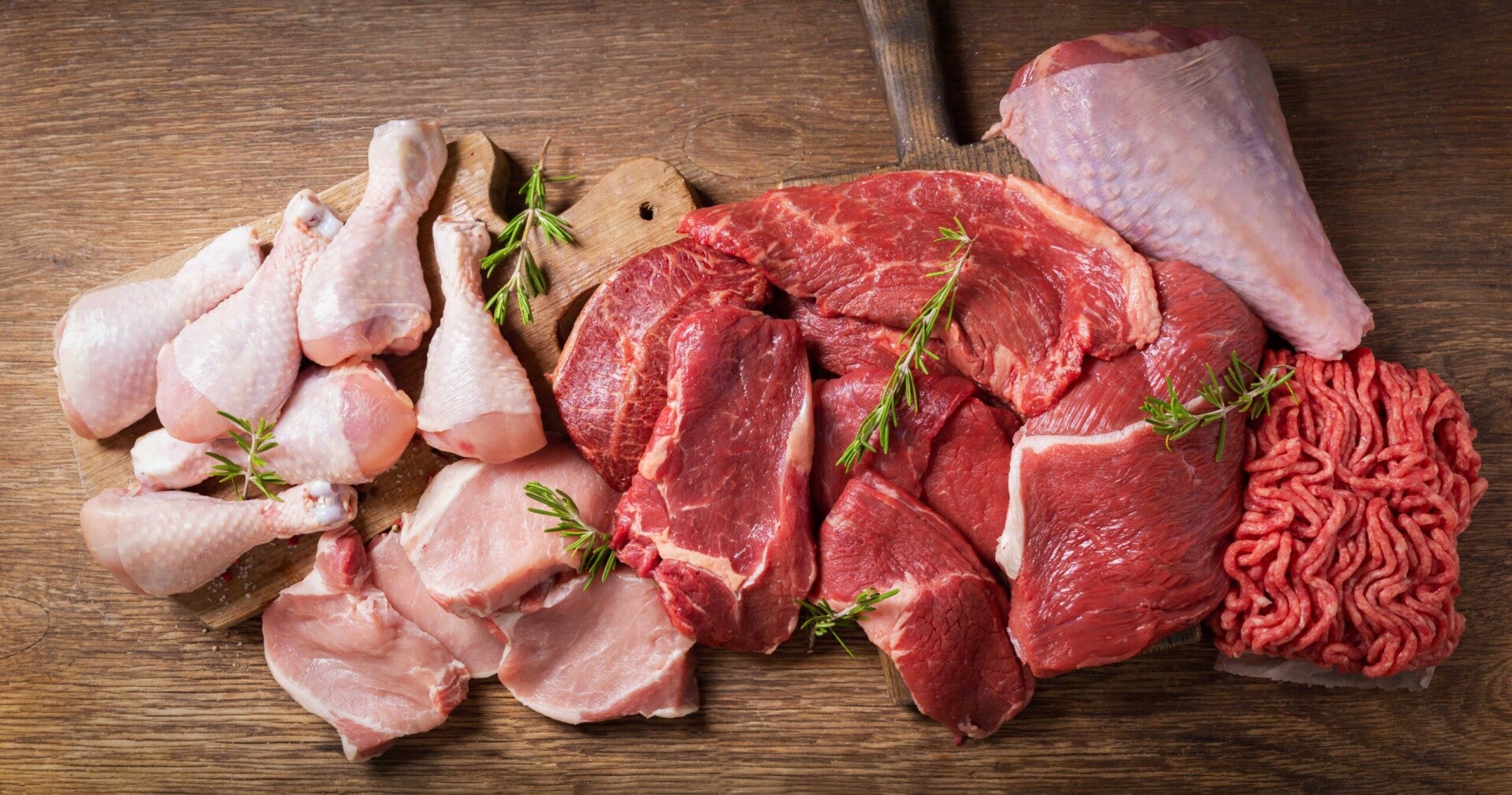
2. Poultry Products (Chicken Cuts and Whole Bird)
Chicken remains the world’s most consumed protein, driven by affordability and versatility. International buyers consistently import:
- Chicken leg quarters
- Chicken breast
- Chicken wings
- Chicken feet
- Whole chicken
Rising consumption across Africa, Asia, and the Middle East ensures continuous high demand. South African poultry exports remain competitive due to strict quality standards and efficient cold-chain logistics.
3. Beef and Red Meat Cuts
Global beef consumption is rising, especially in regions with expanding middle-class populations such as Southeast Asia and the Gulf states. High-demand cuts include:
- Beef topside
- Beef hindquarter
- Beef brisket
- Beef rumps
- Beef flank
- Offal such as hearts, kidneys, and liver
The demand is supported by restaurants, food manufacturers, and wholesale distributors operating across large urban centres worldwide.
4. Seafood Products (Prawns, Mackerel, Kingklip, Cod, Hake)
Seafood is one of the fastest-growing food categories in global trade. Premium products like lobster, prawns, tuna, and cod remain in strong demand from hotels, restaurants, and retailers.
Seafood demand is driven by:
- Rising health awareness
- Preference for omega-rich proteins
- Growth in global fine dining and hospitality
- Increased frozen seafood trade
South Africa’s access to Atlantic and Indian Ocean fisheries gives exporters access to a diverse collection of seafood products.
5. Sugar (White, Brown, Refined)
Sugar continues to dominate the agricultural commodities market and remains a staple import for beverage manufacturers, bakeries, and industrial processors.
In 2025, the greatest global demand is for:
- Refined white sugar
- Brown sugar
- Industrial-grade sugar for food production
Africa, Asia, and parts of Europe remain strong import markets.
For trade insights and global sugar trends, see this high-authority resource from the International Sugar Organization (ISO): https://www.isosugar.org
6. Sweeteners (Honey, Syrup, Molasses)
As global consumers pivot toward natural alternatives to refined sugar, the trade in honey and plant-based sweeteners continues to rise. The demand comes from:
- Food manufacturers
- Nutritional supplement producers
- Retailers offering premium natural sweeteners
African honey, in particular, is highly sought for its purity and organic origins.
A helpful global honey market analysis is available from the Food and Agriculture Organization (FAO): https://www.fao.org
7. Dried Fruits (Apricots, Raisins, Dates, Prunes)
Dried fruits remain essential in international cuisine, baking, snacking, and food processing. Products such as apricots, raisins, dates, prunes, and figs are widely traded due to their:
- Long shelf life
- Use in confectionery
- Year-round demand
- Strong nutritional value
African suppliers are gaining global attention for competitive pricing and large production volumes.
8. Nuts (Almonds, Cashews, Walnuts, Pecans, Macadamia)
Nuts are among the highest-value agro exports per ton due to their global usage:
- Snacking
- Confectionery production
- Plant-based milk manufacturing
- Bakery and culinary applications
Macadamia nuts, one of the highest-priced nuts globally, are heavily produced in Southern Africa, giving exporters strong market leverage.
9. Spices and Agro Commodities (Ginger, Garlic, Cinnamon, Cardamom)
Spices are some of the oldest traded products in global food markets and remain central to culinary and food manufacturing industries.
High-demand spices for 2025 include:
- Ginger
- Garlic
- Cinnamon
- Cloves
- White and black pepper
- Cardamom
These products see demand across Asia, Europe, Africa, and the Middle East. Global food processors depend on reliable spice supply due to the growing demand for ready-made meals and flavoured snacks.
10. Staple Grains (Soybeans, Chickpeas, Kidney Beans, Maize)
Grains and legumes are essential for both household and industrial consumption. In 2025, the most traded staples include:
- Yellow maize
- White maize
- Soybeans
- Kabuli chickpeas
- Red and black kidney beans
These staples support global food manufacturing, animal feed production, and humanitarian supply chains.
South African suppliers are becoming key players thanks to competitive pricing, consistent quality, and strong export infrastructure through ports like Durban and Cape Town.
Conclusion: Global Food Trade in 2025 Favors Strong African Suppliers
Demand for food imports has never been higher. Countries are diversifying supply chains, and African exporters—especially in South Africa—are becoming increasingly reliable partners for global buyers seeking quality agro products, edible oils, protein supplies, grains, spices, and sweeteners.
Businesses looking to source competitively for 2025 can benefit from working with reputable suppliers who offer transparent pricing, consistent quality, and strong export logistics.
If you’re seeking a trusted supplier based in South Africa, you can browse a wide range of export-ready food products here: https://alabaigupro.co.za/products/