



South Africa’s agricultural sector continues to demonstrate remarkable resilience and competitiveness in global markets, with exports reaching record levels across multiple product categories. As international demand for high-quality agricultural commodities intensifies, South African producers are capitalizing on strategic advantages including favorable climate conditions, advanced farming techniques, and well-established export infrastructure that connects local producers to markets spanning Europe, Asia, the Middle East, and beyond.
Understanding South Africa’s Agricultural Export Landscape
The country’s agricultural export performance reflects both traditional strengths and emerging opportunities driven by changing consumer preferences worldwide. South Africa’s geographic diversity enables production of temperate, subtropical, and Mediterranean crops, creating a unique portfolio that few competing nations can match. This diversity, combined with counter-seasonal production advantages for Northern Hemisphere markets, positions South African agro products favorably in international trade.
Citrus Fruits: Leading the Fresh Produce Export Surge
South African citrus exports have experienced extraordinary growth, with the country now ranking among the world’s top citrus exporters. The 2024 season saw citrus shipments exceed 163 million cartons, representing continued expansion in production and market access. Oranges, soft citrus varieties including mandarins and clementines, and grapefruit dominate export volumes, with primary destinations including the European Union, Middle East, and Asian markets.
Quality standards maintained by South African citrus growers meet stringent international requirements, including GlobalGAP certification and compliance with Maximum Residue Levels (MRLs) enforced by importing countries. Cold chain infrastructure ensures fruit arrives at distant markets in premium condition, commanding prices that reward investment in quality production systems. The industry’s focus on new cultivar development and precision agriculture techniques continues enhancing yield quality and extending harvest seasons.
Table Grapes: Premium Quality for Global Markets
South African table grapes represent another cornerstone of agricultural exports, with production concentrated in the Northern Cape, Western Cape, and Limpopo regions. The sector ships over 70 million cartons annually to more than 80 countries, with seedless varieties particularly sought after by health-conscious consumers. Export success stems from varietals bred specifically for long-distance transport, arriving with excellent shelf life and eating quality.
European markets absorb the largest share of South African grape exports, though growing middle-class populations in Asia have opened substantial new opportunities. The industry’s transition toward proprietary cultivars offering superior taste profiles and extended harvest windows has strengthened competitive positioning against other Southern Hemisphere suppliers. Investment in protective cultivation methods, including netting and climate control, mitigates weather risks while improving fruit quality consistency.
Wine: Building on Heritage and Innovation
South African wine exports continue their upward trajectory, with international recognition of quality improvements attracting premium market segments. The country exported over 400 million liters of wine in 2023, generating significant foreign exchange while showcasing viticulture capabilities developed over three centuries. Traditional varieties including Chenin Blanc, Pinotage, and Cabernet Sauvignon remain export staples, complemented by expanding production of international varieties demanded by global consumers.
Sustainability initiatives have become central to South African wine marketing strategies. The Wine and Spirit Board’s Integrated Production of Wine (IPW) certification program demonstrates environmental stewardship, social responsibility, and economic viability—attributes increasingly valued by European retailers and consumers. Organic and natural wine segments represent growth opportunities, with South African producers well-positioned to meet escalating demand for environmentally conscious products.
Tree Nuts: Capitalizing on Health Trends
Macadamia nut production exemplifies South Africa’s success in high-value agricultural exports. The country ranks as the world’s largest macadamia producer, with production concentrated in Mpumalanga and Limpopo provinces. Strong demand from Asian markets, particularly China, drives continued expansion of macadamia orchards. The Food and Agriculture Organization reports that global tree nut consumption has grown consistently due to recognized health benefits and incorporation into diverse culinary applications.
Pecan production has similarly expanded rapidly, positioning South Africa among significant global suppliers. Pecans thrive in the country’s summer rainfall regions, with established orchards achieving yields comparable to traditional producers. Export markets value South African pecans for their size, quality, and favorable harvest timing that fills supply gaps in Northern Hemisphere markets. For businesses seeking premium dried fruits and nuts including almonds, cashews, walnuts, and macadamias, reliable suppliers ensure consistent quality and competitive pricing.
Protein Exports: Beef, Poultry, and Seafood
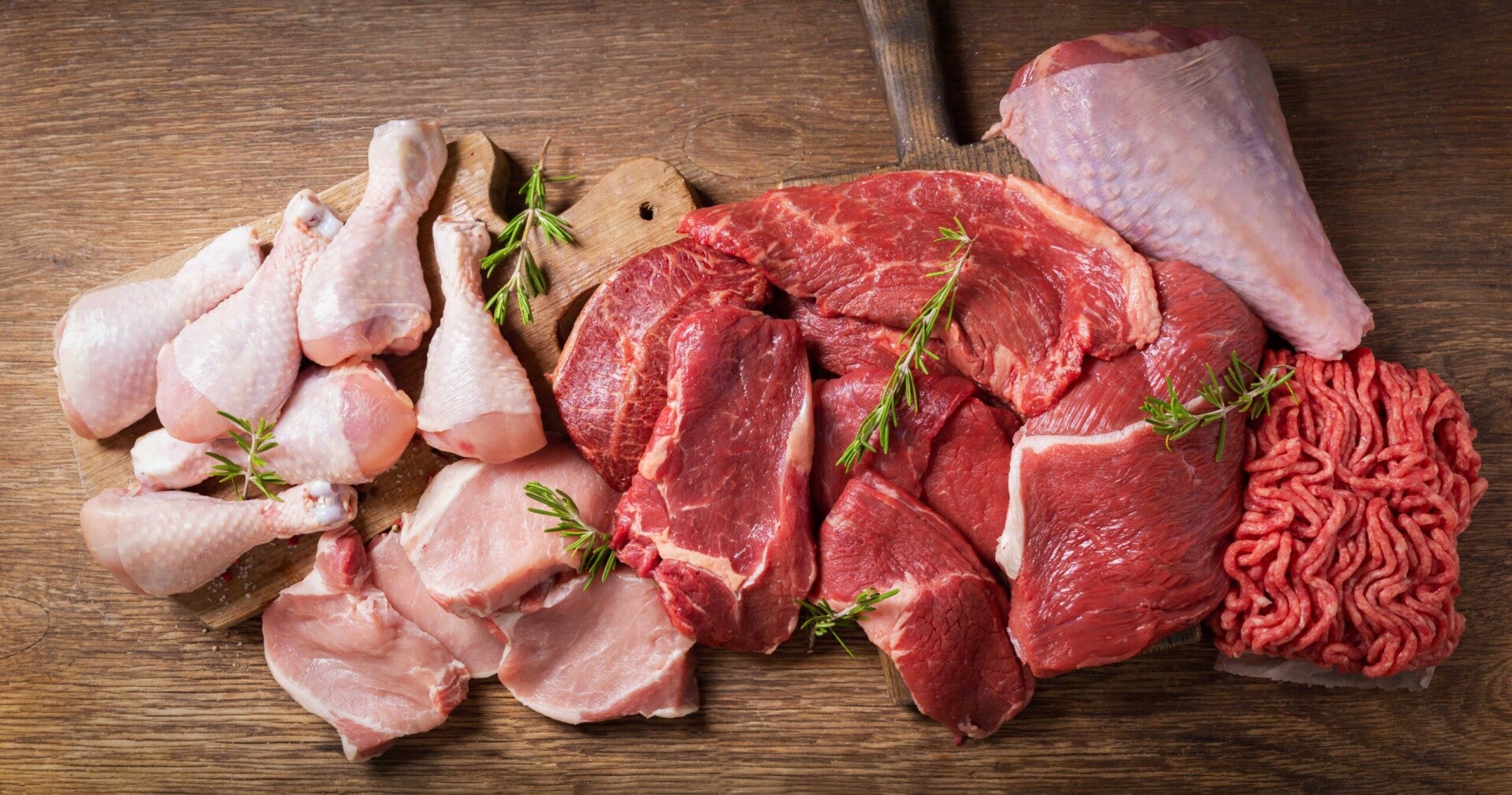
South Africa’s livestock and seafood industries contribute substantially to agricultural export revenues through diverse protein products. Beef exports target premium markets in the Middle East and select African nations, with grass-fed production systems appealing to consumers seeking natural, hormone-free products. Compliance with veterinary health standards and halal certification requirements opens doors to lucrative markets where South African beef competes based on quality rather than price alone.
Poultry exports face intense competition from major producers including Brazil and the United States, yet South African products maintain market share in regional African markets through proximity advantages and established trade relationships. Cold storage and transportation infrastructure investments have improved export capabilities, enabling access to more distant markets when price conditions favor exports over domestic sales.
Seafood exports showcase South Africa’s rich marine resources, with products including hake, kingklip, prawns, and lobster highly valued internationally. The industry operates under strict quota systems ensuring sustainability while maintaining product availability for both domestic consumption and export markets. European and Asian buyers particularly value South African seafood for traceability and responsible harvesting practices verified through certification programs.
Edible Oils and Processed Agricultural Products
South Africa produces and exports various edible oils, though the sector also relies on imports to meet domestic demand for specific oil types. Sunflower oil production from domestically grown sunflower seeds provides the foundation for both local consumption and regional exports. The country’s strategic position allows it to serve as a distribution hub for imported oils destined for broader African markets, adding value through packaging, blending, and quality control services.
Processed agricultural products including fruit juices, canned fruits, and dried fruits represent value-added export opportunities that maximize returns from primary production. Investment in processing infrastructure enables producers to capture more value from agricultural output while creating employment in rural communities. These processed products often command premium prices in international markets compared to raw commodity exports.
Sugar and Sweeteners: Navigating Market Challenges
South African sugar production serves both domestic needs and export markets, though the sector faces challenges from global oversupply and trade policy uncertainties. Traditional export destinations in Africa remain important, while alternative sweeteners and reduced sugar consumption in developed markets pressure prices. The industry’s response includes diversification into co-generation electricity production from bagasse and exploring bioethanol opportunities to offset sugar market weakness.
Honey production represents a niche export opportunity, with South African honey valued for its unique floral sources and natural production methods. Growing international demand for natural sweeteners and honey’s perceived health benefits support export growth potential. Small-scale producers increasingly access export markets through cooperatives and aggregators that provide quality assurance and logistics support.
Spices and Agricultural Commodities
South Africa produces various spices for both local use and export, including ginger, garlic, and chili peppers. While production volumes remain modest compared to major Asian suppliers, South African spices can target premium market segments valuing traceability and organic certification. The country also serves as an important trade hub for imported spices destined for regional African markets, with Cape Town’s port facilities handling substantial spice volumes.
Grain and oilseed exports fluctuate based on domestic production levels, which vary considerably with rainfall patterns. In surplus years, South Africa exports significant quantities of maize, soybeans, and wheat to regional markets in Southern and East Africa. Yellow maize particularly finds ready markets in neighboring countries for both human consumption and animal feed applications. Grain export performance directly correlates with domestic production exceeding local consumption requirements.
Quality Standards and Certification Requirements
International agricultural trade operates under increasingly stringent quality and safety standards that South African exporters must navigate successfully. GlobalGAP certification has become virtually mandatory for fresh produce exports to European markets, verifying that production practices meet comprehensive food safety, environmental sustainability, and worker welfare criteria. The certification process requires detailed record-keeping and regular audits, representing significant investment for producers.
Phytosanitary certification ensures exported products meet plant health requirements of destination countries, preventing spread of pests and diseases across borders. South Africa’s Department of Agriculture, Land Reform and Rural Development maintains inspection and certification systems recognized internationally, facilitating market access. Exporters work closely with government inspectors to ensure compliance with both domestic regulations and importing country requirements.
Traceability systems have become essential in modern agricultural trade, enabling rapid response to food safety incidents while building consumer confidence in product origins. Bar coding, batch identification, and digital record systems allow tracking products from farm to final retail destinations. The World Trade Organization emphasizes that robust traceability systems increasingly function as market access prerequisites in international agricultural trade, particularly for products entering premium markets with discerning consumers.
Export Logistics and Infrastructure
South Africa’s port infrastructure plays a crucial role in agricultural export success, with facilities in Cape Town, Durban, and Port Elizabeth handling the majority of agricultural shipments. Specialized cold storage facilities at these ports ensure temperature-sensitive products maintain quality during export processes. However, port efficiency challenges including congestion and operational delays occasionally impact export competitiveness, prompting ongoing infrastructure investment and operational improvement initiatives.
Air freight remains essential for high-value, time-sensitive agricultural exports including fresh flowers, specialty fruits, and live seafood. Cape Town and Johannesburg international airports provide connections to major global markets, though freight capacity constraints during peak seasons sometimes limit export volumes. Airlines increasingly recognize agricultural cargo’s importance, investing in cold chain capabilities that expand perishable export opportunities.
Land transportation networks connect production regions to ports and airports, with road infrastructure quality varying considerably across different areas. The logistics sector has adapted to infrastructure challenges through careful planning, but transportation costs remain higher than ideal, affecting export competitiveness. Ongoing investment in road maintenance and expansion gradually improves logistics efficiency, supporting agricultural export growth.
Market Diversification and Trade Agreements
South Africa’s participation in various trade agreements provides preferential market access supporting agricultural exports. The African Continental Free Trade Area (AfCFTA) represents a transformative opportunity, potentially expanding intra-African agricultural trade substantially. While implementation challenges remain, the agreement’s full realization could dramatically increase South African agricultural exports to other African nations.
Trade relations with the European Union under the Economic Partnership Agreement provide duty-free access for most South African agricultural products, maintaining a critical export destination. However, non-tariff barriers including stringent phytosanitary requirements and sustainability standards require continuous attention to maintain market access. Exporters invest significantly in compliance systems ensuring products meet evolving European standards.
Asian markets represent growth frontiers for South African agricultural exports, with expanding middle-class populations demanding diverse, high-quality food products. China has emerged as an increasingly important destination for products including wine, citrus, and tree nuts. Building market presence in Asia requires understanding distinct consumer preferences, navigating complex import procedures, and often establishing local partnerships to navigate distribution channels effectively.
Future Outlook and Emerging Opportunities
Climate change presents both challenges and opportunities for South African agriculture and exports. Shifting rainfall patterns and temperature changes may affect traditional production regions while potentially opening new areas for cultivation. The industry’s investment in climate-smart agriculture, water-efficient irrigation systems, and drought-resistant cultivars positions producers to adapt while maintaining export competitiveness.
Organic and sustainably produced agricultural products represent high-growth export segments. International consumer willingness to pay premiums for certified organic products creates incentives for South African producers to transition production systems. While organic certification requires multi-year transitions and compliance with strict standards, successful producers access premium markets where South African products can compete based on quality rather than price alone.
Value-added processing continues offering opportunities to capture more export value from primary agricultural production. Investment in food processing facilities, packaging innovations, and product development enables South African businesses to export finished consumer products rather than raw commodities. This approach generates additional employment while improving export revenue retention within the country.
About Alabai Gulf Producers
Alabai Gulf Producers supplies premium agricultural products, edible oils, dried fruits and nuts, seafood, and specialty ingredients to wholesalers, retailers, and food processors throughout South Africa and international markets. Our commitment to quality assurance, reliable supply chains, and customer success supports businesses in accessing diverse product ranges that meet the highest international standards. Explore our comprehensive catalog and discover how strategic partnerships drive mutual growth in global agricultural trade.