

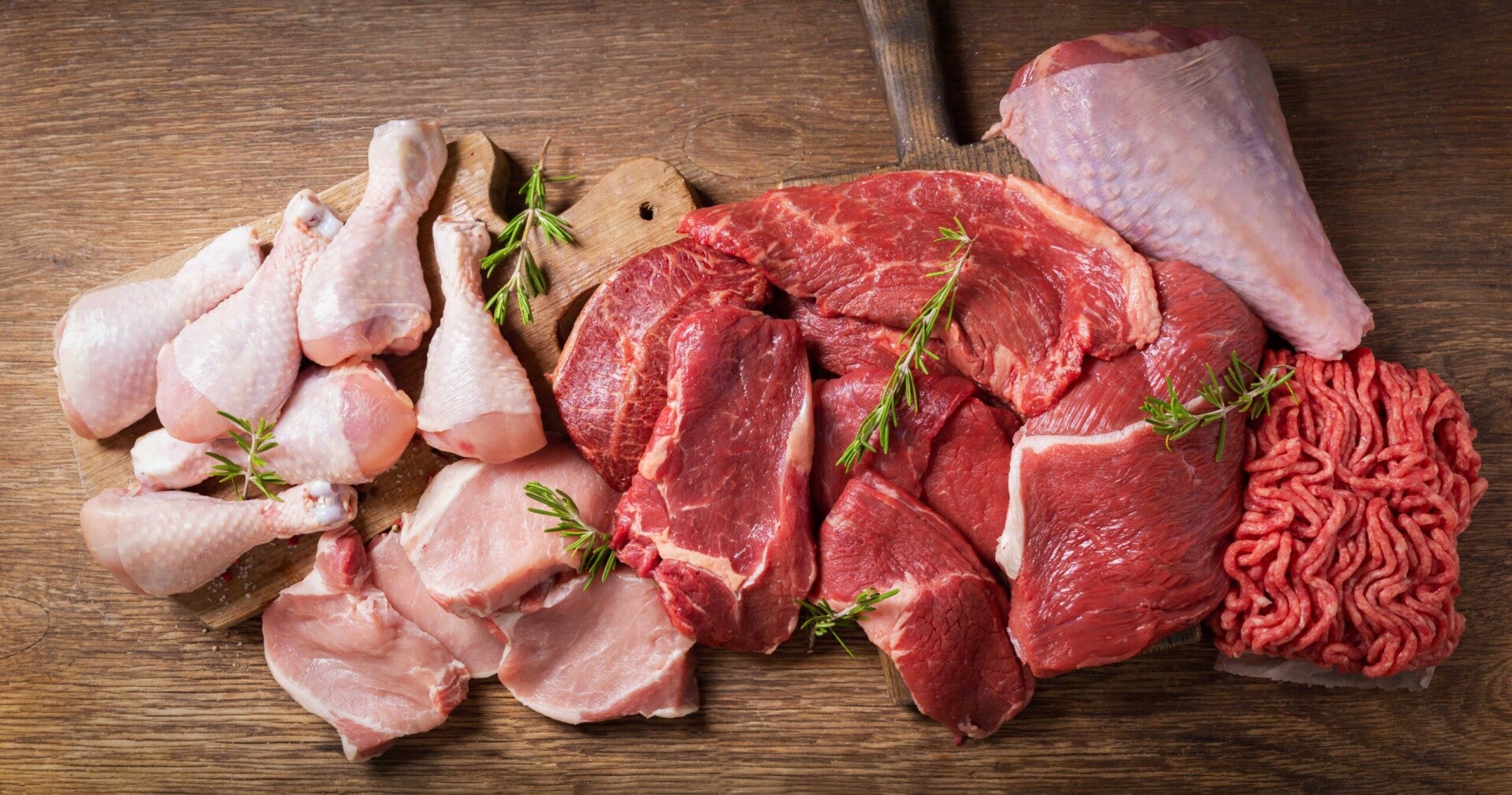


The global meat industry operates under increasing scrutiny, with retailers and processors facing mounting pressure to deliver products that meet stringent quality standards while maintaining operational efficiency. For businesses sourcing beef and poultry, the challenge extends beyond simply procuring inventory—it requires establishing supply chains that guarantee freshness, ensure regulatory compliance, and support sustainable business growth.
Understanding Modern Meat Supply Chain Requirements
Today’s meat supply landscape demands more than traditional procurement methods. Retailers and food processors must navigate complex regulations, manage temperature-sensitive logistics, and meet consumer expectations for transparency. The foundation of success lies in partnering with suppliers who understand these multifaceted demands and can deliver consistent quality across every shipment.
Critical Factors in Beef and Poultry Sourcing
Selecting the right meat supplier involves evaluating several interconnected elements that directly impact product quality and business viability. Temperature control remains paramount—beef and poultry products require unbroken cold chain management from processing facility to final destination. Any lapse in refrigeration can compromise product safety and shelf life, leading to financial losses and reputational damage.
Traceability systems have become non-negotiable in modern meat supply chains. Processors and retailers need suppliers who can provide detailed documentation showing the origin of each product, processing dates, and handling procedures. This transparency not only satisfies regulatory requirements but also builds consumer trust in an era where food safety concerns influence purchasing decisions.
Quality Assurance and Certification Standards
Reputable meat suppliers maintain certifications that demonstrate adherence to international food safety protocols. HACCP (Hazard Analysis Critical Control Points) certification indicates systematic approaches to identifying and controlling potential contamination risks. ISO 22000 certification further validates that suppliers have implemented comprehensive food safety management systems covering the entire supply chain.
For South African businesses, compliance with local regulations from the Department of Agriculture, Land Reform and Rural Development ensures products meet national standards. Additionally, suppliers serving export markets must navigate requirements from importing countries, including halal or kosher certifications depending on target markets.
Product Range and Specification Capabilities
Modern retailers and processors require suppliers who can provide diverse product specifications to meet varying customer needs. For beef, this includes premium cuts like topside and chuck, specialized items such as beef heart and kidney, and value-oriented options including flank and short ribs.
Poultry offerings should similarly span the spectrum from whole chickens for traditional markets to specialized cuts like chicken breast for health-conscious consumers, leg quarters for value segments, and specialty items including chicken feet and gizzards that serve specific culinary traditions.
Logistics and Distribution Infrastructure
Efficient distribution networks distinguish exceptional suppliers from adequate ones. The ability to maintain consistent delivery schedules while preserving product integrity requires sophisticated cold storage facilities, refrigerated transportation fleets, and strategic warehouse locations. According to the Food and Agriculture Organization, approximately 12% of global meat production is lost due to inadequate cold chain infrastructure, representing significant economic waste that diligent suppliers actively work to prevent.
Flexible ordering systems accommodate the variable demands of retail and processing operations. Suppliers should offer scalable order quantities, allowing businesses to adjust purchases based on seasonal fluctuations, promotional activities, or market conditions without compromising on price competitiveness or delivery reliability.
Building Strategic Supplier Partnerships
The relationship between meat suppliers and their retail or processing clients extends beyond transactional exchanges. Strategic partnerships create value through collaborative planning, market intelligence sharing, and joint problem-solving when challenges arise. Suppliers who invest in understanding their clients’ business models can proactively suggest products or solutions that align with emerging market opportunities.
Communication protocols matter significantly in perishable goods supply chains. Clear channels for order placement, shipment tracking, and issue resolution minimize disruptions that could compromise product quality or business operations. Leading suppliers provide dedicated account management, ensuring clients have consistent points of contact who understand their specific requirements and business context.
Risk Management and Supply Continuity
Meat supply chains face numerous potential disruptions—disease outbreaks, extreme weather events, regulatory changes, and market volatility all pose risks to consistent product availability. Suppliers with diversified sourcing networks and contingency planning protocols can maintain supply continuity even when individual production facilities or regions face challenges.
Financial stability of suppliers also warrants consideration. Partners with solid financial foundations are better positioned to invest in quality improvements, maintain appropriate inventory levels, and weather market fluctuations without compromising service levels. This stability translates to reduced risk for retailers and processors who depend on uninterrupted supply to serve their own customers.
Sustainability and Ethical Sourcing Practices
Consumer awareness regarding environmental and ethical considerations in meat production continues growing, with Nielsen research indicating that 73% of global consumers would change their consumption habits to reduce environmental impact. Retailers and processors increasingly seek suppliers who demonstrate commitment to sustainable practices, including responsible water usage, waste reduction initiatives, and humane animal welfare standards.
Transparency in sourcing practices allows businesses to communicate their values to end consumers authentically. Suppliers who can document their sustainability initiatives and provide credible third-party verifications help their clients build brand reputation and meet the expectations of socially conscious consumers.
Compliance Framework for Meat Supply Operations
Regulatory compliance in meat supply encompasses multiple dimensions, each critical to legal operation and consumer safety. Health and safety regulations govern processing facilities, requiring regular inspections and adherence to sanitation protocols. Packaging and labeling requirements ensure consumers receive accurate information about product contents, nutritional values, allergens, and proper storage instructions.
Import and export regulations add complexity for suppliers serving international markets or sourcing from multiple countries. Customs documentation, phytosanitary certificates, and country-specific requirements must be managed meticulously to avoid shipment delays or rejections at borders. Experienced suppliers navigate these complexities seamlessly, protecting their clients from costly regulatory missteps.
According to the World Health Organization, unsafe food causes 600 million foodborne illnesses annually, underscoring why compliance cannot be treated as optional or secondary. Suppliers who prioritize food safety through rigorous internal controls, regular testing protocols, and continuous staff training significantly reduce the risk of contamination incidents that could devastate client businesses.
Technology Integration in Modern Meat Supply
Digital transformation is reshaping meat supply chains through technologies that enhance visibility, efficiency, and quality control. Blockchain-based traceability systems create immutable records of product journey from farm to retail, enabling rapid response if quality issues emerge. IoT sensors monitor temperature and humidity throughout transportation and storage, alerting stakeholders immediately if conditions deviate from optimal ranges.
Data analytics platforms help suppliers and their clients optimize inventory management, predict demand patterns, and identify opportunities for operational improvements. These technologies, once available only to large enterprises, are becoming increasingly accessible to mid-sized operations, leveling the competitive landscape and raising industry standards overall.
Selecting the Right Supply Partner
When evaluating potential beef and poultry suppliers, retailers and processors should conduct thorough due diligence extending beyond price comparisons. Site visits to processing and storage facilities provide firsthand insight into operational standards and quality control measures. Reviewing certifications, insurance coverage, and customer references helps verify claims and identify potential red flags before committing to partnerships.
Trial orders allow businesses to assess product quality, delivery reliability, and customer service responsiveness without committing to long-term contracts. Attention to details during initial interactions often signals how suppliers will perform when challenges arise or when relationships face pressure during high-demand periods.
For businesses seeking reliable beef and poultry products, establishing partnerships with suppliers who demonstrate consistent quality, comprehensive compliance, and customer-focused service creates competitive advantages that extend far beyond individual transactions. The investment in identifying and cultivating relationships with exceptional suppliers pays dividends through reduced operational risks, enhanced product quality, and strengthened market positioning.
About Alabai Gulf Producers
Alabai Gulf Producers specializes in providing premium beef, poultry, and diverse food products to retailers, processors, and foodservice operations across South Africa. With commitment to quality assurance, regulatory compliance, and customer success, we support businesses in building reliable supply chains that meet the highest industry standards. Explore our comprehensive range of products and discover how strategic partnerships drive mutual growth.